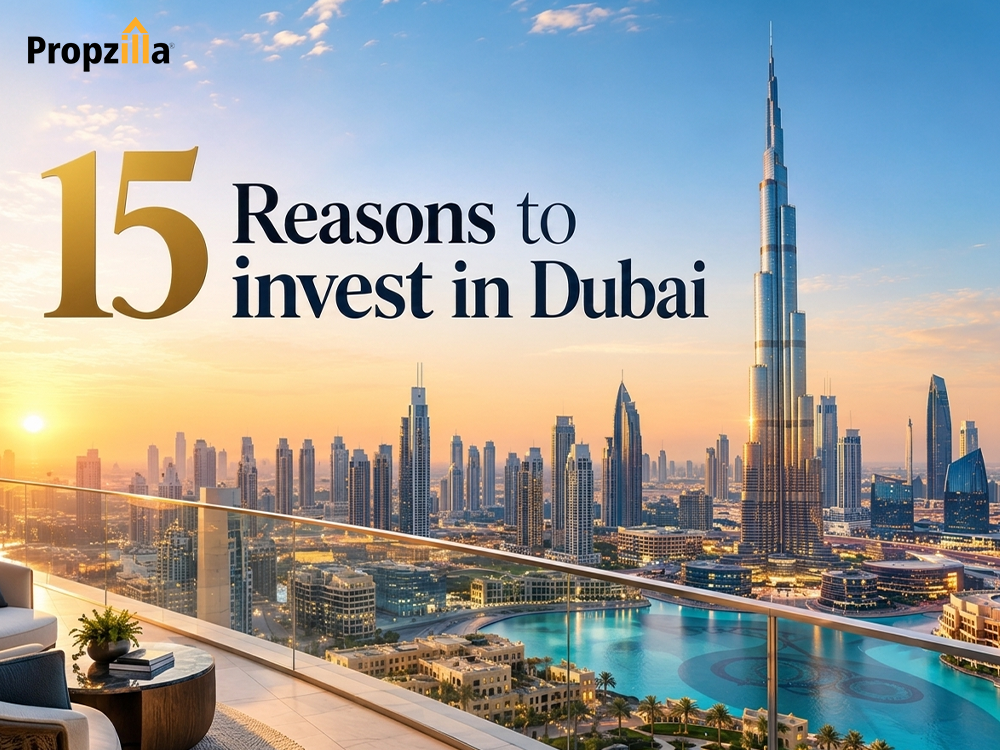



Dubai property market 2025

Dubai Real Estate Market Analysis Report 2024-25

TL:DR

Dubai's real estate market delivered unprecedented performance in 2024 and continues its robust trajectory into 2025, cementing the emirate's position as a global investment hub. Official data from the Dubai Land Department (DLD) confirms total real estate transactions reached AED 761 billion across 226,000 transactions in 2024—a remarkable 35.8% increase in value year-over-year. However, beneath this headline-grabbing growth, market dynamics reveal a nuanced picture of slowing momentum, segment divergence, and evolving buyer behavior that warrants careful examination.

This comprehensive analysis synthesizes official DLD statistics, industry reports from leading consultancies, and independent market research to provide investors, developers, and stakeholders with actionable insights into Dubai's property landscape for 2024-2025.

1. Market Performance Overview 2024

Transaction Volume and Value

The Dubai property market achieved record-breaking milestones in 2024:

  1. Total Transaction Value: AED 761 billion (includes sales, mortgages, and donations)
  2. Total Transactions: 226,000 real estate transactions
  3. Residential Sales Value: AED 423 billion across 168,000+ transactions
  4. Year-over-Year Growth: 35.8% increase in transaction value

Breaking down the transaction landscape by quarter reveals telling patterns:

Q3 2024 Performance:

  1. 50,425 transactions valued at AED 141.95 billion
  2. 38% year-on-year increase in volume
  3. 30% year-on-year increase in value
  4. Off-plan sales: 63% of total transactions (31,800 deals worth AED 67.45 billion)

Q4 2024 Performance:

  1. 48,000+ transactions exceeding AED 118 billion
  2. 46% year-on-year volume increase
  3. 30% year-on-year value increase
  4. Off-plan transactions surged nearly 72% year-on-year

Growth Rate Deceleration: A Critical Signal

While transaction volumes remain elevated, the rate of growth is systematically declining—a pattern that independent market analysts consider a "late cycle" indicator:

  1. Q1 2024: +21% quarter-over-quarter growth
  2. Q2 2024: +11% quarter-over-quarter growth
  3. Q3 2024: +6% quarter-over-quarter growth

This deceleration suggests that while the market continues expanding, momentum is waning. The analogy often used: a car is still moving forward, but the driver has already eased off the accelerator.

2. Residential Market Segmentation

Apartments: Price Inflation Meets Unit Shrinkflation

The apartment segment presents a fascinating paradox that reveals fundamental market pressures:

Market Statistics:

  1. Price per square foot: Rising consistently throughout 2024
  2. Average transaction value: Relatively stagnant
  3. Average price: Approximately AED 1,537 per square foot
  4. Total apartment transactions: 140,000+ units valued at AED 249.23 billion

Key Trend—Real Estate Shrinkflation:

Developers are responding to price sensitivity by reducing unit sizes while maintaining price points. Buyers are purchasing smaller apartments for the same money—a phenomenon mirroring consumer goods "shrinkflation." The AED 2 million price threshold has emerged as a critical psychological barrier for apartment sales.

Price Performance:

  1. Overall residential prices increased 20-22% in 2024
  2. Apartment prices rose 11.62% annually in 2024
  3. Average apartment cost: $408,000 (approximately AED 1.5 million)
  4. Luxury apartments in prime locations (Dubai Marina, Downtown): around $1 million

Villas: Red Flags Amid Record Prices

Q4 2024 Villa Performance:

  1. Transaction count: Declined 33% quarter-over-quarter
  2. Average transaction value: Soared to AED 18 million
  3. Annual price increase: 20.2% (reaching 100% uplift on Q1 2020 levels)
  4. Average freehold villa prices: $871,000

Critical Analysis

This pattern—falling transaction volume concurrent with rising average prices—suggests market segmentation and demand exhaustion at accessible price points. Independent analysts describe this as analogous to a bread line where only $50 loaves remain: the queue thins dramatically, average spend increases, but the customer base has not become wealthier—affordable inventory has simply been depleted.

Villa Price Ranges (2024-2025):

  1. Entry-level freehold villas: AED 2.5 million - AED 4 million
  2. Mid-tier suburban villas (Dubai Hills Estate, Arabian Ranches): AED 2 million - AED 7 million
  3. Luxury villas: AED 5 million - AED 20+ million
  4. Ultra-luxury (Palm Jumeirah, Emirates Hills): AED 20 million - AED 100+ million

Villa Market Concentration: The "golden triangle of wealth"—Palm Jumeirah, Emirates Hills, and MBR City—continues dominating high-value villa sales, with Palm Jumeirah commanding prices upwards of $20 million for premium waterfront properties.

Townhouses: The Market's Stabilizing Force

Townhouses emerge as the "quiet harbor" of Dubai's residential market:

Key Characteristics:

  1. Lowest price per square foot across all residential segments
  2. Attracting buyers priced out of the villa market
  3. Demonstrating historical price stability
  4. Serving as a refuge for value-conscious end users

Investment Perspective: For end users seeking long-term residence, townhouses present attractive value propositions with stable appreciation. For investors seeking capital gains, this segment's stability translates to potentially lower returns compared to higher-volatility segments.

3. The Luxury Market Phenomenon

Record-Breaking Luxury Sales

Dubai's luxury segment (properties exceeding $10 million) shattered records in 2024-2025:

  1. 435 transactions exceeding $10 million in 2024 (highest on record)
  2. Total luxury sales value (2025): $9.05 billion (27.7% increase from 2024)
  3. Ultra-luxury penthouse record: One six-bedroom Business Bay apartment sold for $149.7 million in Q4 2025
  4. Prime property appreciation: 147% increase over five years (Q1 2020 - Q4 2024)

High-Net-Worth Individual (HNWI) Drivers

HNWI Inflow:

  1. Estimated 6,700 new millionaires relocated to UAE in 2024
  2. Projected 6,500 HNWIs annually through 2024-2026
  3. Tax-friendly policies, Golden Visa programs, and world-class infrastructure remain primary attractors

HNWI Preferences:

  1. Design authenticity and architectural significance
  2. Sustainable construction and smart home integration
  3. Community-oriented developments with premium amenities
  4. Branded residences offering exclusivity

Supply Constraints in Luxury Segment

A critical factor underpinning luxury price appreciation: severe scarcity of ready inventory

  1. Only 16,500 luxury/ultra-luxury units currently under construction
  2. Majority of projects are years from completion
  3. Limited new supply expected for 2-3 years
  4. Sustained demand meeting constrained supply = continued price pressure.

4. Off-Plan vs. Secondary Market Dynamics

Off-Plan Market Dominance

The off-plan segment experienced explosive growth throughout 2024:

2024 Off-Plan Performance:

  1. 65.9% jump in transactions year-over-year
  2. Constituted 64% of all residential sales in 2024
  3. 68% of overall transactions for the full year
  4. Primary market sales: AED 334.1 billion (30% YoY increase) across 119,800 transactions (51% volume increase)

Q3 2025 Acceleration: Off-plan properties accounted for 76% of all transactions in Q3 2025, signaling continued investor confidence in Dubai's future development pipeline.

Investment Rationale: Off-plan dominance reflects strong confidence in Dubai's long-term growth trajectory, attractive developer payment plans, and price appreciation expectations during construction phases.

Secondary (Resale) Market Resilience

Despite off-plan dominance, the resale market demonstrates healthy activity:

2024 Resale Performance:

  1. Transaction value: AED 188.1 billion (21% YoY increase)
  2. Transaction volume: 61,100 (14% YoY increase)

2025 Resale Growth:

  1. Transaction value: AED 314.71 billion (18.93% YoY increase)
  2. Market share: 46.11% of total market sales

The resale market's robust performance indicates strong fundamental demand beyond speculative off-plan investment, with buyers seeking immediate occupancy and established communities.

5. Rental Market Performance and Yields

Rental Rate Trajectory

Dubai's rental market experienced dramatic appreciation in 2024 and continues upward pressure into 2025:

2024 Rental Performance:

  1. Overall rental rates: +19% increase
  2. Rental yields: 6.7% for both villas and apartments
  3. High-growth areas (Dubailand, Meydan, International City): 39-46% year-over-year spikes

July 2025 Rental Status (Decade Highs)

  1. Average apartment rents: AED 103,000 annually (21.7% YoY increase)
  2. Average villa rents: AED 328,000 annually (19.6% YoY increase)

2025 Rental Forecast

  1. Short-term rentals: Projected +18% increase
  2. Long-term rentals: Projected +13% increase
  3. Popular areas: 5-12% rent growth
  4. Some regions: Potential spikes up to 25%

Rental Yields by Location (2025)

Dubai offers some of the highest rental yields globally, averaging 6.76% across the emirate:

Top-Performing Areas for Rental Yields:

  1. Dubai Investments Park (DIP): 9.4-9.5%
  2. International City: 9.1%
  3. Jumeirah Village Circle (JVC): 7.5-8% (Studios: 8.38%)
  4. Dubai Marina: 7.0% (apartments)
  5. Downtown Dubai: 4.11-7.92% (Studios yield highest at 7.92%)
  6. Business Bay: Studios: 6.68%
  7. Palm Jumeirah: ~6%

Property Type Influence: Studios and one-bedroom apartments generate the highest rental yields due to strong tenant demand, high turnover, and lower acquisition costs relative to rental income.

Rental Market Stabilization Signals

The first half of 2025 witnessed rental growth stabilization due to significant new supply entering the market:

  1. Affordable apartments: 5-7% modest growth
  2. Mid-range apartments: 1-6% increases
  3. Luxury segments: Some areas experienced price dips up to 9% in oversupplied locations

New Supply Impact: Over 100,000 new apartments and villas expected in 2025, with approximately 76,000 units completed. Total projected completions 2025-2026: 182,000 units.

6. Key Investment Areas and Hotspots

Top Transaction Volume Leaders (2024)

Sales Transaction Leaders:

  1. Jumeirah Village Circle (JVC)
  2. Business Bay
  3. Dubai Marina
  4. Downtown Dubai
  5. Palm Jumeirah

Rental Demand Leaders:

  1. Dubai Marina
  2. Jumeirah Village Circle (JVC)
  3. Downtown Dubai
  4. Business Bay
  5. Al Nahda

Strategic Area Analysis

Jumeirah Village Circle (JVC):

  1. Affordable family-focused living
  2. High rental yields (7.5-8%, studios: 8.38%)
  3. Strong community appeal for young professionals
  4. Mid-tier apartments and villas attracting consistent demand

Business Bay:

  1. Strategic proximity to Downtown Dubai
  2. Vibrant commercial and residential hub
  3. Rising office rents (+17% in 2024, projected +10.4% in 2025)
  4. Strong appeal for business professionals

Dubai Marina:

  1. Timeless waterfront lifestyle destination
  2. Luxury high-rises with consistent expat demand
  3. Strong rental yields (7.0%)
  4. Premium pricing sustained by location prestige

Downtown Dubai:

  1. Iconic central business district
  2. Tourist and local demand driving robust rentals
  3. Consistent capital appreciation
  4. Variable yields (4.11-7.92%) depending on unit size

Palm Jumeirah:

  1. Ultra-luxury villa destination
  2. Long-term stability and prestige
  3. Average yields: ~6%
  4. Prices: $20 million+ for premium waterfront properties

Emerging Hotspots:

  1. Palm Jebel Ali: Waterfront luxury development revival
  2. Tilal Al Ghaf: Ultra-luxury villa community
  3. The Oasis by Emaar: Ultra-luxury waterfront living
  4. Dubai Hills Estate: Family-oriented luxury villas and apartments
  5. Dubai South: Affordable options near Expo site
  6. Al Furjan: Value proposition for families and long-term investment

7. Market Drivers and Economic Context

Macroeconomic Foundations

GDP Growth:

  1. UAE Central Bank forecast: 6.2% GDP growth in 2025
  2. Real estate sector: Significant contributor to national economic expansion
  3. Economic diversification: Reduced oil dependency strengthening resilience

Population Growth:

  1. 2024 population: 3.6+ million
  2. Projected 2026 population: 4+ million
  3. 5% annual population increase driving housing demand
  4. Golden Visa, remote work permits, and immigration policies fueling expatriate influx

Investment Climate:

  1. Dubai attracted $100 billion in property investment (previous year)
  2. Expected 5% growth in property investment for 2024
  3. Tax-free environment for rental income and capital gains
  4. Political stability and safe-haven status amid global uncertainties

Government Initiatives and Infrastructure

Policy Support:

  1. Golden Visa programs for investors and professionals
  2. Long-term residency visas (up to 10 years)
  3. Investor-friendly regulatory framework
  4. Sustainability mandates in construction

Infrastructure Development:

  1. Dubai 2040 Urban Master Plan: Community-centric development focus
  2. Integrated retail and recreational developments
  3. World-class transportation infrastructure
  4. Strategic infrastructure spending bolstering market confidence

Tourism and Hospitality:

  1. Robust tourism sector driving short-term rental demand
  2. Branded residences and hospitality-linked properties gaining popularity
  3. Dubai's global destination status supporting luxury segment

8. Commercial Real Estate Overview

Commercial Sales Performance

2024 Commercial Sales:

  1. Transaction value: AED 95.7 billion (5.7% YoY increase)
  2. Transaction volume: 4,304 units (7.47% decline in volume despite value increase)
  3. Commercial property transactions: 10.1% increase to 4,304 units worth AED 9.7 billion

Commercial Price Trends:

  1. Q4 2024: +7.45% quarter-over-quarter
  2. Annual 2024: +13.19% increase

Office and Retail Leasing

Office Market:

  1. 2024 office rent increase: +17%
  2. 2025 projected increase: +10.4%
  3. Total projected YoY increase by end-2025: +26.4%
  4. Prime locations (Downtown Dubai, DIFC): 5-8% rental hikes

Retail Sector:

  1. Projected sales growth: 6% between 2025-2027
  2. Retail leasing activity: Significant growth in 2024

9. Critical Market Concerns and Counterpoints

Independent Market Analysis: Red Flags

A detailed independent investor analysis (Reddit post by residential real estate brokerage owner) highlights critical concerns often overlooked in developer marketing:

Concern 1: Divergence Between Prices and Volume Growth

Observation: When prices reach all-time highs while transaction volume growth decelerates, historical precedent suggests "late cycle" market dynamics.

Data Support: Growth rates declining from +21% → +11% → +6% quarter-over-quarter while prices continue climbing.

Counterpoint: Dubai's fundamentals (population growth, infrastructure investment, HNWI influx) differ from typical "bubble" markets. Deceleration may represent normalization rather than impending correction.

Concern 2: Villa Market Demand Exhaustion

Observation: Villa transactions dropped 33% Q-over-Q while average prices surged to AED 18 million—suggesting affordable inventory depletion, not wealth creation.

Data Support: Q4 2024 villa transaction decline concurrent with price increases.

Counterpoint: Luxury villa supply constraints (only 16,500 units under construction) and HNWI demand (6,500+ annually) support premium pricing. The market may be bifurcating between mass-market and ultra-luxury segments.

Concern 3: Apartment Shrinkflation

Observation: Developers reducing unit sizes to maintain psychological price points (AED 2 million threshold)—signaling affordability pressures.

Data Support: Price per square foot rising while average transaction values stagnate.

Counterpoint: Smaller units align with global urbanization trends, younger demographics, and investment property preferences. Not necessarily indicative of market weakness.

Concern 4: Transaction Composition Questions

Observation: If "millionaires are coming to Dubai," why is transaction volume concentrated in studios and 1-bedroom apartments rather than luxury villas?

Analysis: Suggests significant investor (rather than end-user) activity in affordable segments, potentially for rental yield strategies or capital appreciation speculation.

Counterpoint: Dubai's rental yields (6-9% in mid-tier properties) justify investor activity. Strong rental demand supports investment fundamentals beyond speculation.

Rental Market Correction Signals

Independent research indicates rental price growth has slowed significantly in H1 2025:

  1. Affordable apartments: 5-7% growth (down from 19% in 2024)
  2. Some luxury segments: Price dips up to 9% in oversupplied areas

New supply influx creating increased tenant options and competitive pricing

Implication: Rental market may be approaching equilibrium as supply catches up with demand—potentially moderating one of the key drivers (rental yield expectations) for investment purchases.

10. Market Outlook and Forecast 2025-2026

Price Forecasts

Residential:

  1. Moderate growth: 5-7% annually for mid-range properties
  2. Prime real estate: 5% increase in 2025
  3. Luxury properties: 10-12% increase in average price per square foot

Villas:

  1. Continued appreciation supported by HNWI demand and supply constraints
  2. Emerging ultra-luxury projects (Palm Jebel Ali, The Oasis) commanding premium positioning

Apartments:

  1. Stabilization expected as new supply enters market
  2. Mid-tier segments offering balanced risk-reward profiles

Transaction Volume Projections

2025 Performance:

  1. Total transactions: 213,700-214,900 residential transactions
  2. Transaction value: AED 681-682 billion
  3. Year-over-year growth: 30.64% increase in total market sales
  4. Including mortgages and gifts: AED 919 billion across 275,442 transactions (20% YoY increase)

Supply Pipeline

2025 Completions:

  1. 76,000 units projected for 2025
  2. 182,000 units expected 2025-2026 combined

Developer focus shifting toward affordable and mid-range properties alongside luxury offerings

Major Developer Activity:

  1. Emaar Properties: Expanding Dubai Hills Estate, The Oasis phases
  2. Nakheel: Palm Jebel Ali revival with beachfront villas and ultra-luxury hospitality
  3. DAMAC: Extensive launches with flexible payment plans
  4. Binghatti: Rapid expansion across multiple price segments
  5. Sobha Realty, Ellington Properties, Dubai Properties: Continued project diversification

11. Investment Strategy Considerations

For End Users

Opportunities:

  1. Townhouses: Stable value proposition with lowest price per square foot
  2. Mid-tier apartments (JVC, Dubai South, Al Furjan): Balanced affordability and quality
  3. Established communities: Resale market offering immediate occupancy and proven track records

Timing Considerations:

  1. New supply influx (2025-2026) may create increased negotiation leverage
  2. Rental market stabilization suggests less urgency for immediate purchases
  3. Off-plan payment plans offering financial flexibility for structured acquisition

For Investors

High-Yield Strategies:

  1. Studios and 1-bedroom apartments in DIP, International City, JVC for maximum rental yields (7.5-9.5%)
  2. Short-term rental focus in Dubai Marina, Downtown Dubai capitalizing on tourism demand
  3. Off-plan luxury properties in supply-constrained segments for capital appreciation

Value Preservation:

  1. Prime locations (Palm Jumeirah, Downtown, Dubai Marina) offering long-term stability
  2. Branded residences providing exclusivity and premium positioning
  3. Established villa communities (Emirates Hills, Arabian Ranches) with consistent demand

Risk Management:

  1. Diversification across price segments to balance volatility
  2. Careful submarket selection avoiding potential oversupply areas
  3. Exit strategy planning considering rental market moderation and transaction volume trends

12. Conclusion

Dubai's real estate market in 2024-2025 presents a complex narrative that defies simplistic characterization. Official data confirms record-breaking performance: AED 761 billion in 2024 transactions, unprecedented luxury sales, and continued strong demand across multiple segments. The emirate's fundamentals—population growth, economic diversification, infrastructure investment, and HNWI attraction—remain robust and support continued market strength.

However, beneath headline statistics, nuanced dynamics warrant careful attention:

  1. Growth rate deceleration suggests momentum moderation despite elevated absolute volumes
  2. Villa segment bifurcation shows demand concentration at ultra-luxury levels with declining mid-market absorption
  3. Apartment shrinkflation indicates affordability pressures reshaping product offerings
  4. Rental market stabilization as significant new supply enters circulation
  5. Off-plan dominance (68-76% of transactions) raising questions about investor vs. end-user composition

The market is neither in bubble territory nor immune to cyclical forces. Dubai's unique position—tax advantages, geographic centrality, world-class infrastructure, and safe-haven status—provides structural support that differentiates it from typical speculative markets. Yet the laws of supply, demand, and affordability constraints apply universally.

Prudent stakeholders should:

  1. Recognize that exceptional 2024 performance may not linearly extrapolate into 2025-2026
  2. Monitor transaction volume trends as leading indicators beyond price appreciation
  3. Assess specific submarkets and property types individually rather than wholesale market classifications
  4. Maintain long-term investment horizons aligned with Dubai's 2040 urban development vision
  5. Balance optimism with disciplined risk management and realistic return expectations

Dubai's real estate market remains a compelling global investment destination with genuine fundamental drivers. Success will favor those who combine confidence in Dubai's long-term trajectory with clear-eyed recognition of present market maturity and evolving dynamics.

Data Sources and Methodology

This report synthesizes data from:

  1. Dubai Land Department (DLD): Official transaction statistics and market reports
  2. Industry Reports: Deloitte Real Estate, Knight Frank, Chestertons MENA, Savills, CBRE
  3. Property Consultancies: Primo Capital, Hamptons, Valustrat, M&M Real Estate
  4. Independent Market Analysis: Direct investor research and transaction data analysis
  5. Economic Institutions: UAE Central Bank, Dubai Department of Finance
  6. Market Intelligence Platforms: Property Finder, Bayut, Dubizzle Analytics

Report Prepared: January 2026

Data Coverage: Full Year 2024, Q1-Q3 2025, with forward-looking 2025-2026 projections

This comprehensive analysis provides factual, data-driven insights into Dubai's real estate market performance and outlook. All statistics cited are sourced from official government data, established industry consultancies, and verified market research. Investment decisions should be made in consultation with qualified financial advisors and legal professionals.

0 Comments

Leave a Comment

Recent Posts
Whatsapp
Email