



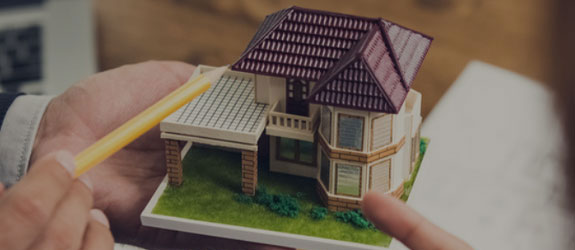

Vastu Shastra for home focuses on room directions, energy flow, natural light, and space planning to create balanced living environments. Proper vastu placement for the entrance, kitchen, bedroom, and pooja room is believed to support positivity, comfort, and well-being in a home.
You may have already asked — or heard someone ask — "Lekin ghar ka vastu sahi hai na?" This guide answers that question room by room, direction by direction. Just what you need for a vastu-compliant home.
Vastu Shastra for home focuses on room directions, energy flow, natural light, and space planning to create balanced living environments. Proper vastu placement for the entrance, kitchen, bedroom, and pooja room is believed to support comfort and positive energy within a home.
Modern homebuyers often use vastu principles while planning apartments, villas, and independent houses to improve layout functionality, sunlight flow, ventilation, and room positioning. This guide explains the best vastu directions for every important area of a home.
| Element | Sanskrit Name | Direction | Governs | Place This Here |
|---|---|---|---|---|
| Fire | Agni | Southeast | Energy, digestion | Kitchen, stove |
| Water | Jal | Northeast, North | Wealth, health, clarity | Water source, fountain |
| Earth | Prithvi | Southwest | Stability, relationships | Master bedroom |
| Air | Vayu | Northwest, East | Movement, social energy | Living room, windows |
| Space | Akash | Centre (Brahmasthan) | Growth, calm | Keep open — no heavy furniture |
The direction your main door faces sets the vastu tone for the entire home. Here is what each facing means — and the one rule you must follow for each.
An east facing house vastu shastra layout is considered among the most auspicious configurations in Vedic architecture — the home receives the first rays of the morning sun, strongly associated with health, clarity, and new beginnings. The main door must be placed in the Jayant or Mahendra pada (the 5th or 6th grid position on the east wall as per the Vastu Purusha Mandala). The Ishan Kona (Northeast corner) is the most powerful zone in an east-facing home — it should always be kept open, clean, and free of heavy objects.
What to do: Position a water element — a small indoor fountain or an overhead water tank — in the northeast. Keep the east wall as open as possible with large windows to maximise morning light. The master bedroom goes in the southwest, and the pooja room in the northeast.
What NOT to do: Never place a toilet, shoe rack, or heavy storage in the northeast of an east-facing home. Do not build a compound wall taller than necessary on the east side — it blocks the morning sun energy that makes this facing so beneficial.
Following north facing house vastu shastra principles is most popular among business owners, entrepreneurs, and professionals in finance — the north direction is governed by Kuber, the Lord of Wealth in Vedic tradition. The main entrance must sit in the Soma or Bhallat pada (4th or 5th grid positions on the north wall). A north-facing home that places the main door correctly is considered one of the strongest vastu configurations for wealth accumulation and career growth.
What to do: Add a water feature — a small fountain or aquarium — on the north or northeast side of the home. The kitchen should be in the southeast, and the living room in the northeast or north. Keep the north side of the plot relatively open with minimal boundary height.
What NOT to do: Never leave the southwest corner empty or light in a north-facing home — this zone must have the heaviest furniture (master bed, wardrobe) to anchor the Earth element. Do not place a staircase in the northeast or north — it blocks the wealth energy of this direction.
A south-facing home is NOT bad per vastu shastra — this is one of the most widespread myths in Indian real estate. All four directions are equally auspicious in vastu; what matters is the pada (grid position) of the main door, not the direction itself. When applying south facing house vastu shastra correctly, the main door must fall in the Vitatha or Grihakshat pada — the 4th or 5th position on the south wall. A door placed here is fully auspicious. The error most south-facing homeowners make is placing the door in the center of the south wall — that is the Yama pada, which traditional vastu considers deeply unfavorable.
What to do: Build a solid, heavy boundary wall on the south and southwest. Place the master bedroom in the southwest and use darker, grounding earth tones — brown, terracotta, or deep green — on the south-facing walls. Affix a Swastik or Om symbol at the entrance as a traditional energetic marker.
What NOT to do: Never place the main door in the exact center of the south wall (Yama pada). Do not leave the south or southwest corner light, open, or used as a balcony — this weakens the Earth element that should anchor this direction.
When applying vastu for home west facing principles, the key insight is that west-facing homes receive long hours of afternoon and evening sun — an energy pattern associated in vastu tradition with creativity, arts, education, and social visibility. The main door should sit in the Pushadant or Sugreev pada (the 5th or 6th grid position on the west wall). West-facing homes are equally valid vastu configurations — they are simply governed by different elemental energies compared to east or north-facing layouts.
What to do: Keep the northeast (Ishan Kona) of a west-facing home completely open and clean — it retains full power regardless of the main entrance direction. Position the kitchen in the southeast and the master bedroom in the southwest. Use lighter, airy colors on the west-facing walls to prevent the afternoon heat from feeling oppressive.
What NOT to do: Avoid placing the kitchen in the northwest of a west-facing plot — this combines the Water of the northwest with a cooking zone, creating a Fire-Water conflict. Do not build a heavy structure or raise the boundary wall excessively on the east side — this blocks the rising sun energy that even west-facing homes need in their northeast zone.
| Facing | Best For | Main Door Pada | Key Vastu Rule | Common Mistake |
|---|---|---|---|---|
| East | Health, prosperity | Jayant / Mahendra | Keep NE corner open & light | Toilet or storage in NE |
| North | Wealth, business owners | Soma / Bhallat | Water feature in NE; heavy SW | Light or open SW zone |
| South | All — with remedies | Vitatha / Grihakshat | Solid wall + Swastik on south | Door in center of south wall |
| West | Creativity, professionals | Pushadant / Sugreev | Keep NE open; avoid kitchen in NW | Open west boundary wall |
Every room in a vastu-compliant home has an ideal direction. Whether you are working with an architect on a house building plan with vastu or simply arranging an existing flat, this room-by-room breakdown covers what goes where, what color to use, and the single most important rule for each space.
The main door is the most critical vastu element in any home. It should face North, East, or Northeast. Keep it well-lit and clutter-free. Maintain a threshold (dehleez) — it marks the energetic boundary between the outside world and your living space. Avoid placing a shoe rack directly in front of the door.
Position the living room in the North or Northeast zone. Seating should be arranged so occupants face North or East. The dining room works best in the West or Northwest. Use a rectangular or square table. Never sit with your back directly to the main entrance.
The south-east direction is generally considered ideal for kitchens in vastu shastra because it is associated with the fire element. Proper kitchen placement is believed to support balanced energy and practical cooking spaces within a home.
The master bedroom goes in the Southwest, governed by Earth (Prithvi). Sleep with your head pointing South or East — never North. Avoid placing a mirror directly opposite the bed. The Southwest promotes stability, deep rest, and grounded relationships.
Children's bedrooms work best in the West or Northwest. The study table should face East or North — per vastu tradition, this direction is linked to focus and academic clarity. Never place the desk directly under a ceiling beam.
The bathroom belongs in the Northwest or North — never the Northeast (Ishan Kona). A toilet in the northeast is considered the most significant vastu dosh in any home. Always keep the bathroom door closed. Use white or pale grey — light, neutral colors only.
The Northeast corner is the sacred zone of any home — the ideal placement for a mandir or pooja room. The idol should face West so the worshipper faces East during prayer. Keep the area dry, clean, and free of clutter at all times. The pooja room must never share a wall with — or be placed above, below, or adjacent to — the toilet.
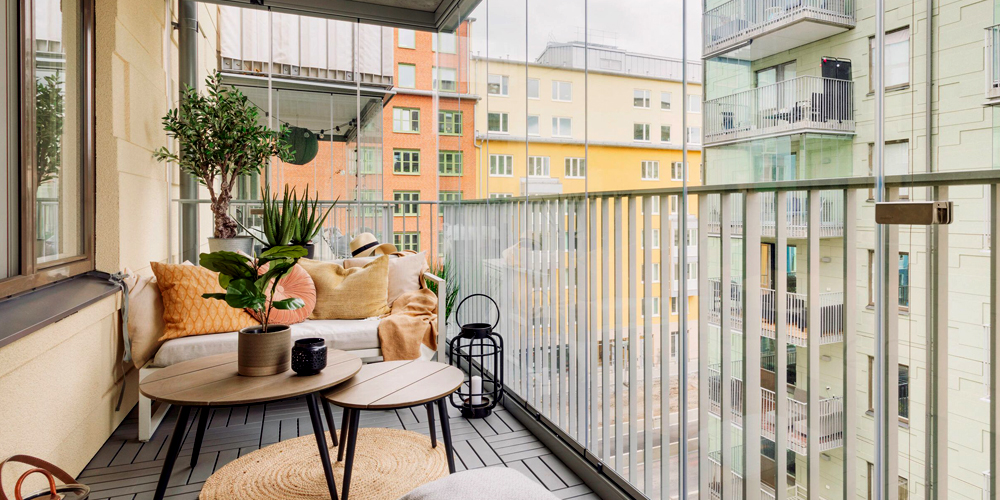
Open balconies in the North or East let in morning light — the most desirable configuration. The Southwest balcony should be used minimally. Staircases should be built in the South, Southwest, or West. An odd number of steps is the standard vastu rule followed across India.
| Room | Ideal Direction | Best Color | Key Rule |
|---|---|---|---|
| Main Entrance | North / East / NE | As per facing | Well-lit, clutter-free, dehleez present |
| Living + Dining | NE/North (living); West (dining) | White, Cream, Light Blue | Seating faces North or East |
| Kitchen | Southeast (Agni Kona) | Yellow, Orange, Red tones | Stove faces East; fire & water separated |
| Master Bedroom | Southwest | Beige, Sage Green | Head to South; no mirror opposite bed |
| Kids Room / Study | West / NE (study) | Light Green, Soft Yellow | Study table faces East or North |
| Bathroom / Toilet | Northwest / North | White, Light Grey | Never in Northeast; keep door closed |
| Pooja Room | Northeast | White, Cream, Soft Yellow | Face East while praying; dry & clean |
| Balcony / Staircase | N/E (balcony); SW/S (stairs) | Light shades | Odd steps; SW balcony — minimal use |
Vastu principles can also be applied to apartments and modern flats through proper room arrangement, natural lighting, entrance positioning, and clutter-free layouts. Many homebuyers prefer vastu-compliant apartment layouts while selecting urban residential properties.
The remaining 20% — colors, plants, mirrors, furniture placement — can all be corrected without any structural change.
| Area | What To Do |
|---|---|
| Main Door Direction | Prefer North, East, or NE-facing apartment entrance where possible |
| Kitchen Placement | If SE is not possible, place stove in SE corner of kitchen; cook faces East |
| Toilet Position | Avoid NE; use vastu remedies if unavoidable (sea salt, keep dry) |
| Brahmasthan (Centre) | Keep the centre of the flat open — no heavy furniture or storage |
| Mirrors | Never place mirrors directly opposite the main door or bedroom door |
| Balcony Plant | Tulsi (Holy Basil) in North or East balcony for positive energy |
Looking for vastu-compliant apartments? Browse luxury homes in Gurgaon, New Launch Projects in Noida, and Luxury flats in Bangalore — verified listings with floor plans on Propzilla.
If your existing home has vastu dosh — directional imbalances — these are practical, non-demolition remedies. Traditional fixes, not structural overhauls.
| Vastu Dosh (Problem) | Upay (Remedy) |
|---|---|
| Toilet in NE (Ishan Kona) | Sea salt bowl + keep dry & minimal |
| South door (wrong pada) | Swastik symbol + heavy wooden door |
| Kitchen in NE | Stove in SE corner + cook faces East |
| Staircase in centre | Plants at base + no under-stair storage |
| Bedroom in SE (Agni Kona) | Blue/green bedding + water element decor |
| Broken mirrors / glass | Replace immediately |
| Dark entrance | Bright lights + side-wall mirror (not opposite door) |
Color is one of the easiest vastu corrections you can make without structural change. Each direction has preferred and avoided colors based on its governing element. Vastu ke anusar rang align with the elemental energy of each zone — they are not arbitrary choices.
| Room | Recommended Colors | Avoid |
|---|---|---|
| Living Room | White, Cream, Light Blue | Dark Brown, Black |
| Kitchen | Yellow, Orange, Red tones | Dark Blue, Black |
| Master Bedroom | Beige, Sage Green, Earthy pastels | Bright Red, Black |
| Kids Room | Light Green, Soft Yellow | Dark or dull shades |
| Bathroom | White, Light Grey, Pale Blue | Red, Dark tones |
| Pooja Room | White, Cream, Soft Yellow | Black, Dark Blue |
| Study Room | Yellow, White, Pale Green | Red, Black |
Plants bring functional energy correction into any home. In vastu tradition, specific plants placed in the right direction amplify positive energy. Vastu Plants are not just decor — they are directional tools.
| Plant Name | Best Direction | Benefit (per tradition) |
|---|---|---|
| Tulsi (Holy Basil) | North or East balcony | Purifies air; most auspicious vastu plant |
| Money Plant | Southeast | Prosperity and positive energy flow |
| Lucky Bamboo | East or Southeast | Growth and good fortune |
| Neem | Northwest corner | Clears negative energy |
| Jasmine (Chameli) | North or East | Calm and positivity |
| Cactus ❌ | Avoid indoors | Sharp spines — not recommended inside home per vastu |
Do:
Don't:
As per vastu shastra for home, the most auspicious directions for the main entrance are North, East, and Northeast (Ishan Kona). East-facing doors receive the first morning sunlight — associated with health and new beginnings — while North-facing doors are linked to wealth and career growth per vastu tradition.
A south-facing house is NOT bad per vastu shastra — this is a widely spread myth. All four directions are equally valid in vastu; what determines auspiciousness is the pada (grid position) of the main door, and a south-facing home with the door in the correct Vitatha or Grihakshat pada is fully auspicious.
The master bedroom should be placed in the Southwest (Nairitya Kona) as per vastu shastra, because this direction is governed by the Earth element (Prithvi), which promotes stability, deep sleep, and grounded relationships. The head of the bed should point South or East — never North.
Vastu shastra can absolutely be applied to apartments and flats without any structural changes — focus on three things: the main door direction, the kitchen stove placement in the southeast corner, and ensuring the toilet is not in the northeast. Colors, plants, and mirror placement handle the remaining vastu corrections.
Vastu dosh is a directional imbalance in a home — for example, a toilet in the northeast or a kitchen in the wrong zone. The most effective non-demolition remedies (upay) are: a sea salt bowl in the affected corner, a Swastik or Om symbol at the main door, corrected furniture placement, and directionally appropriate vastu plants.
The best vastu plant for home is Tulsi (Holy Basil), which should be placed in the North or East balcony as per vastu tradition. Money plant in the Southeast and Lucky Bamboo in the East are also recommended — and one plant to strictly avoid indoors is cactus, due to its sharp-spined energy.
The best vastu colors for a master bedroom are beige, sage green, and earthy pastels, which align with the Southwest's Earth (Prithvi) element. Avoid bright red and black in the master bedroom; for a kids room, light green or soft yellow promotes focus and calm as per vastu guidelines.
As per vastu shastra, the kitchen should be placed in the Southeast (Agni Kona) — the Fire zone — and the cook should always face East while cooking. If the southeast is not structurally possible, position the stove in the southeast corner of whichever room the kitchen occupies, and never place it directly opposite the water source.
Vastu shastra for home is not about rebuilding your house — it is about aligning your living space with the natural forces already at work around you. Whether you follow it as a design principle or a spiritual tradition, the outcome is the same: a home that is well-lit, well-ventilated, logically organised, and energetically balanced.
If you are searching for your next home and want a space that already follows these principles, Propzilla lists verified projects across India with north and east-facing configurations. Once you find the right property, consider pairing your move with an auspicious Griha Pravesh Muhurat 2026 for a tradition-aligned start.
Following vastu principles can help improve room planning, natural lighting, space balance, and functional home design. Whether you are selecting an apartment or planning an independent house, understanding room directions and layout positioning can make decision-making easier.
| Area | What To Do |
|---|---|
| Luxury Projects in Gurgaon | Luxury Projects For Sale in Gurgaon |
| Luxury Apartments in Gurgaon | Luxury Apartments For Sale in Gurgaon |
| Luxury Flats in Gurgaon | Luxury Flats For Sale in Gurgaon |
| Luxury Duplexes in Gurgaon | Luxury Duplexes For Sale in Gurgaon |
| Luxury Floors in Gurgaon | Luxury Floors For Sale in Gurgaon |

Oct 17, 2025

Sep 14, 2022

Sep 14, 2022
Dec 19, 2024

Apr 11, 2026

Jul 23, 2026

Sep 14, 2022

Apr 14, 2026

Sep 16, 2026

Aug 18, 2026

Sep 19, 2026

Jul 15, 2026











.webp)





.webp)


.webp)



.webp)
.webp)

0 Comments
Leave a Comment